Hi Top Game — My First Video Game Was an NES Clone, and It Was the Best Gift of My Life
Back in '92–'93, while the Super Nintendo was already out there, I got a Hi Top Game—a Brazilian NES clone—and my life was never the same again. Come relive that with me.
GAMERS
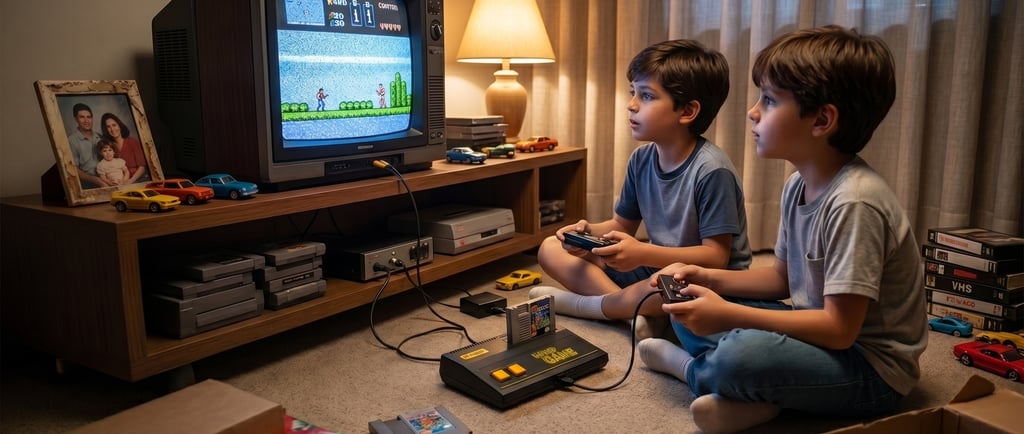
There’s a specific kind of happiness that only those who lived through the ’90s in Brazil know.
It’s not the happiness of having the best. It’s not the happiness of having the latest. It’s the happiness of having that thing—whatever it may be—and realizing that it was enough to completely change your life.
Sometime between 1992 and 1993, I got my first video game console.
Perhaps those reading this in the U.S. have similar memories from the late ’80s. You were already flying through Mode 7, drooling over Donkey Kong Country, and experiencing 16-bit pure glory. But Brazil was Brazil—and in Brazil, new things arrived in their own time, with that national trait of turning what could be a delay into a celebration.
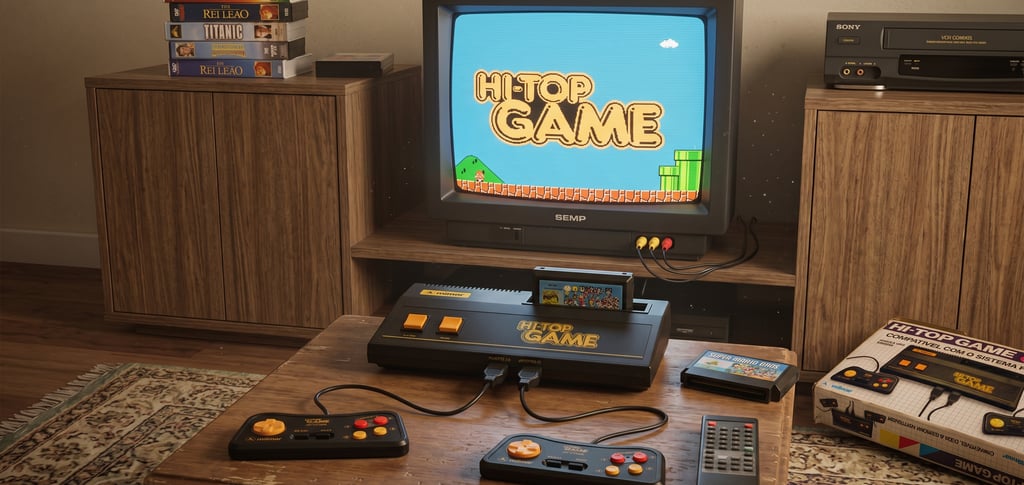
My gift was a Hi Top Game. An 8-bit Nintendo NES clone, with a gray cartridge, two controllers, and three game cartridges included in the box.
And it was the best gift I’ve ever received in my life.
Let me tell you why.
“When Brazil Invented Its Own Nintendo”
First, a little background for those who weren’t around back then.
The Nintendo Entertainment System—the famous NES—was released in the United States in 1985. Here in Brazil, due to absurd taxes, computer regulations, and a host of other factors that would take an entire post just to explain, the original console never officially arrived at an affordable price.
What did arrive were the clones.
Brazilian and Asian manufacturers produced consoles that ran the same NES cartridges, with virtually identical hardware, at a fraction of the price. They had creative names, colorful boxes, and a simple promise: the Nintendo experience without the Nintendo price tag.
The Hi Top Game was one of those. Compact design, humble but functional finish. Two controllers with that square directional pad that left a mark on your thumb after two hours of play. Cartridge slot on top. And a collection of compatible games that was, honestly, fantastic.
Out there, rich kids had the original. Here in Brazil, we had the clone—and we played the same levels, defeated the same bosses, and struggled through the same difficult parts with the same intensity.
Democracy arrived a few years late, at least in the world of video games.
“Three cartridges. An entire childhood.”
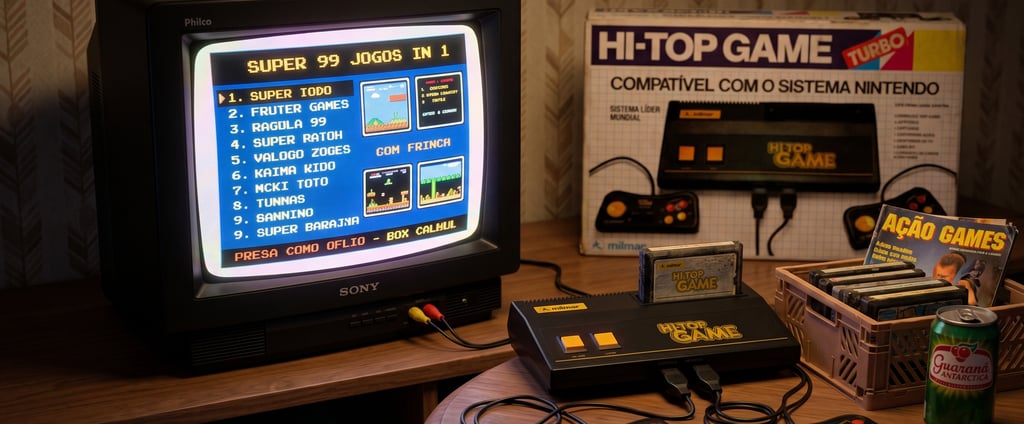
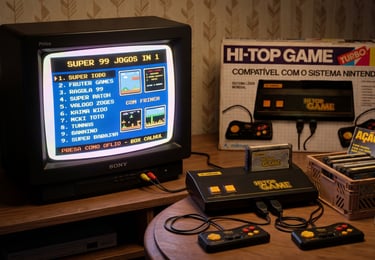
When my dad brought home the Hi Top Game console, it came with three cartridges. Three cartridges I hadn’t asked for, hadn’t chosen, and which became the first games of my life. My memory might be a little fuzzy here—after all, it’s been over 30 years—but I remember other games that might have come with it, like Tom and Jerry and Super Mario, though the ones that really stick in my mind are these.
Let me introduce each one with the respect they deserve.
“The gateway to new worlds was called a video rental store”
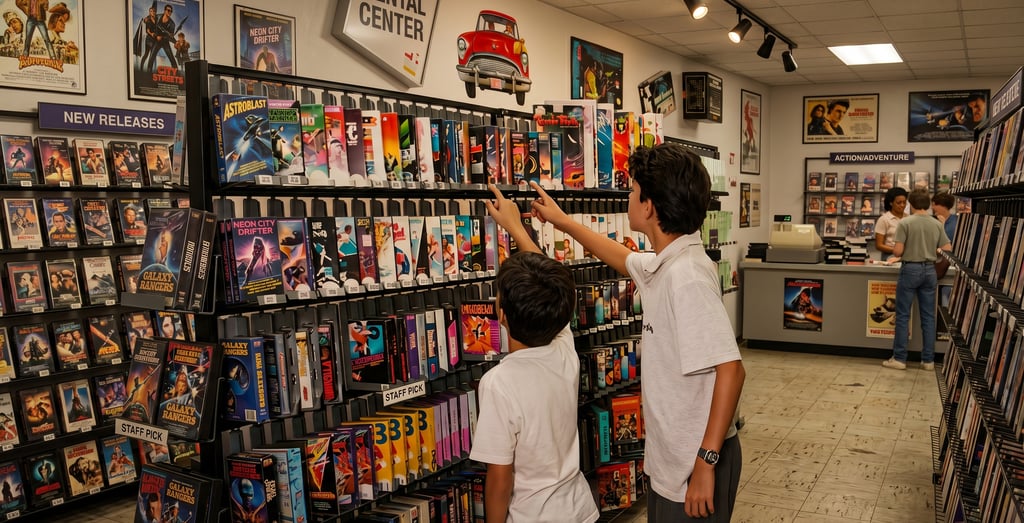
The three cartridges in the box were just the beginning. But the Hi Top Game universe expanded thanks to two things: my older brother and the neighborhood video rental stores. Maybe it wasn’t common in the U.S., but in Brazil it was standard practice to rent cartridges from video rental stores for this purpose, since buying one was absurdly expensive for the time.
My brother was what I’d call today an early adopter. He was always on the hunt for the new game, the cartridge no one had yet, the latest release on the way. The rental shop was his natural habitat—and I was the youngest kid tagging along, watching everything with wide eyes while he debated which cartridge was worth renting for the weekend. If anyone has ever come across that original photo up there on the internet, know that it’s literally me and my brother. We don’t know who took it or when, but the image is floating around the internet.
The video game rental store of the ’90s deserved a documentary. It was a sacred place.
Cardboard shelves lined with game covers. Sometimes the cover was beautiful and the game was a letdown. Sometimes the cover was plain, and the game changed your life. The clerk knew everything and gave recommendations with the authority of a sommelier. And there was always that one game everyone wanted that was always rented out—you’d put your name on a waiting list and cross your fingers.
It was through the video game rental store that I discovered the games that defined my childhood at Hi Top Game.
The Hi Top Game stayed with us for years. The cartridges piled up, the games came one after another, and every new cartridge that arrived from the rental store was a little celebration.
Later came the Super Nintendo, the PlayStation, and the Nintendo 64. Better technology, more beautiful games, more elaborate experiences. And I loved each one of them just the right way.
But no console erased what the Hi Top Game represented. It stayed in our family until the mid-2000s; unfortunately, I don’t know what became of it. But the memories remained.
Because it was the first. And you can’t repeat first.
It was there, on that humble 8-bit machine that wasn’t even an original, that I discovered what it was like to control a character on the screen. That I learned that defeat is part of the game, that persistence pays off, that some games are unfair but worth it anyway. That playing with someone else—a sibling, a friend, a cousin—was a language of friendship all its own.
Hi Top Game was my school. Gyrus was my first class. And the video store was my library.
Did you have an NES at home too? — Tell me which one you had and which games you’ll never forget. The comments section is our own private video store. 🕹️
“Each tape was a different world”
Between trips to video rental stores and tapes borrowed from friends, we got to play a lot—and I mean a lot—of NES games. If I were to list them all here, it would definitely take more than one post. I’ll do that soon!
But, just to provide some context for this post, I’ll mention the first games—besides the three that came with the console—that surprised me the most back then. I’m not talking about the best-known games or the best ones technically speaking, but the ones that left me with great memories.
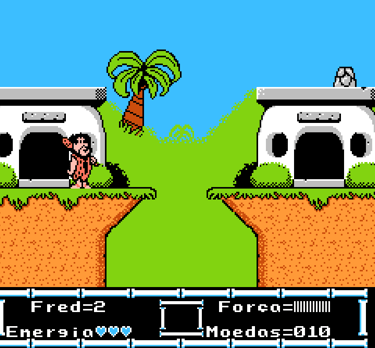
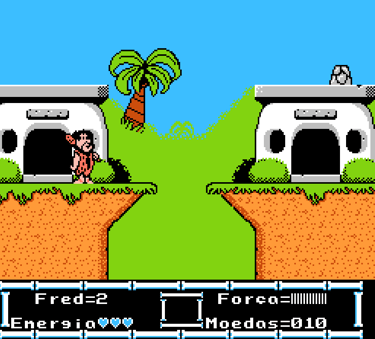
🪨 The Flintstones - The Rescue of Dino and Hoppy — Wilma, This Game Is Hard
Yes, there was a Flintstones game. And no, it wasn't easy just because it was based on a cartoon.
You played as Fred Flintstone on adventures through the prehistoric world, and the game had that visual charm of recreating the cartoon’s universe in pixels. Stone cars, tamed dinosaurs, 8-bit Bedrock, collecting parts of ET Hoppy’s flying saucer. That’s right—this game was a mix of prehistory, time travel, and aliens.
It was the kind of game you’d rent thinking it would be easy, only to discover that the developers back then had no mercy on anyone—not even on kids who just wanted to play as Fred Flintstone. But it was a delightful little game to play.
🚀 Gyruss — The Mysterious Japanese Cartridge
The adventure began even before I inserted it into the console.
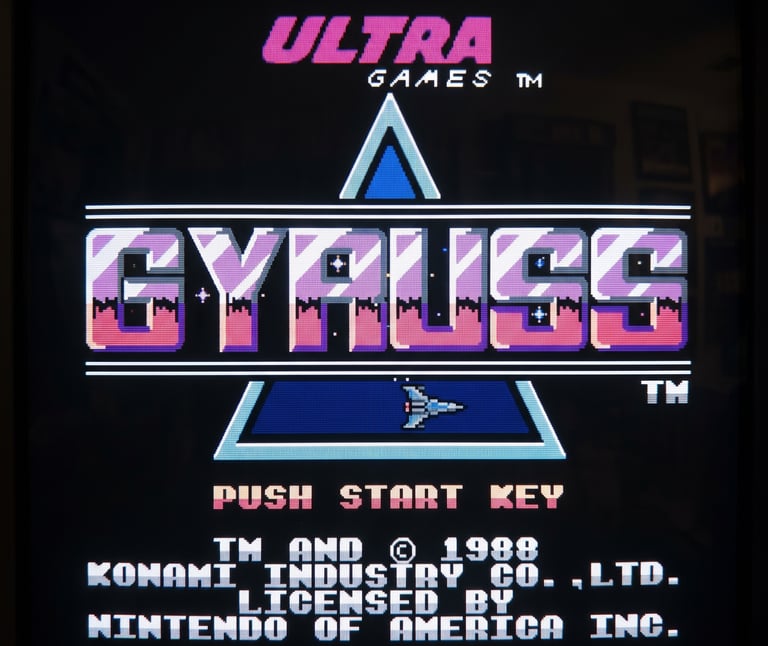
The Gyruss cartridge was Japanese. That meant it didn’t fit directly into the Hi Top Game console—the connector pins were different, the size was different, the world was different. It needed a special adapter to work.
I remember that caused a bit of a family crisis. “What do you mean it doesn’t fit?” — “Where’s the adapter?” — “Did the person who sold this know it wouldn’t work?” (This was probably the conversation my dad had with the salesperson)
After some creative solution involving the right adapter (or workarounds I’d rather not go into detail about), the game ran.
And what an awesome game.
Gyruss was a spaceship shooter with an epic premise by the standards of the time: you traveled through the entire solar system, planet by planet, eliminating aliens on each one. Saturn with its rings. Jupiter with its swirls. The sun up ahead as the final destination.
For a 7-year-old, that was real science fiction. I was traveling through space. I was the pilot. And every new planet was a discovery.
The game had a fair level of difficulty—read: it killed me regularly—but the feeling of progressing through the solar system made up for any frustration.
✈️ F-15 City War — War in the Skies
The second cartridge swapped outer space for ground warfare.
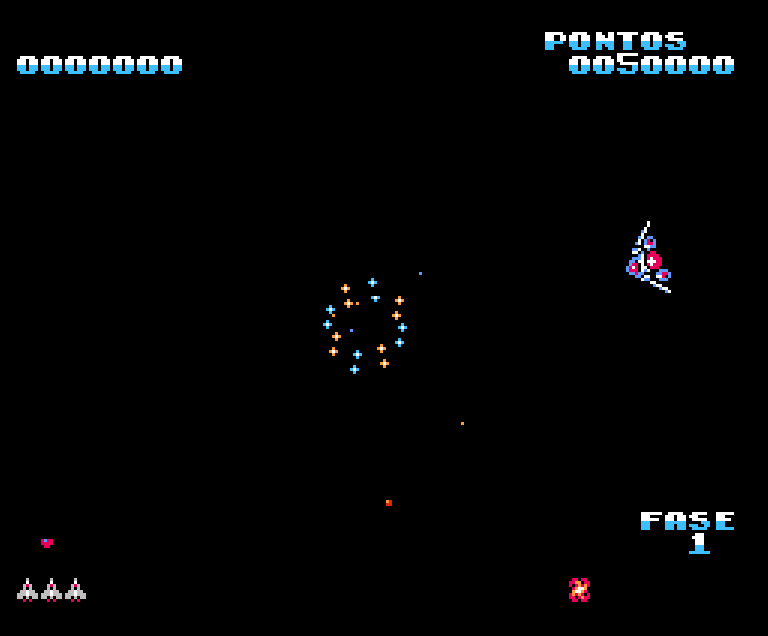
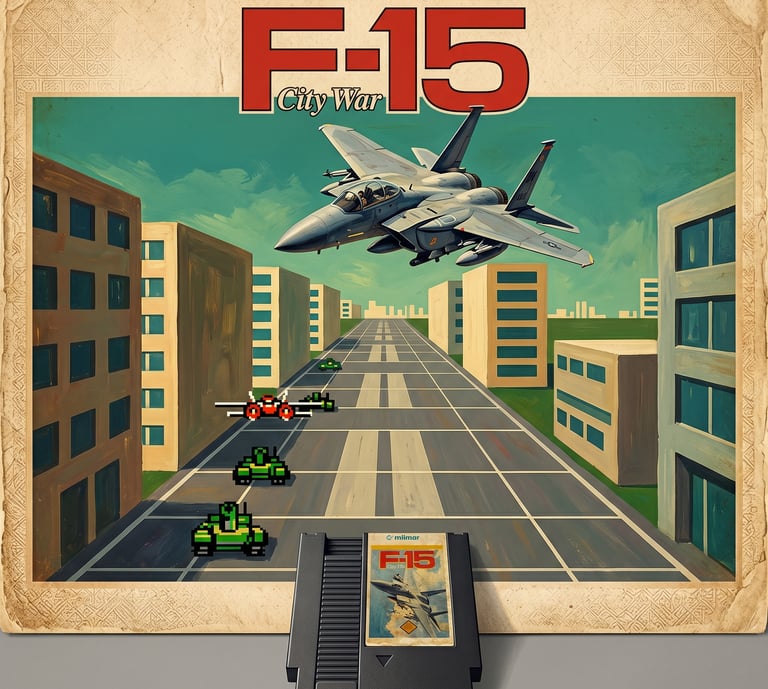
F-15 City War was a military-themed space shooter. You piloted the famous American fighter jet, faced off against enemy planes, destroyed tanks on the ground, dodged missiles, and tried to survive as long as possible.
It was more frenetic than Gyrus, more aggressive, with that war-like energy that ’80s games loved. There was no story, no character—there was just you, your ship, and the mission to stay alive.
For two brothers fighting over the controller, this game was perfect: fast, intense, and death came quickly enough to pass the controller right on to the next player.
I learned early on that playing video games with an older brother means you play less than you watch. But even watching was good.
🏎️ Formula One - Built to Win — The Most Advanced Game I Didn’t Realize Was Advanced
Now, the most special of the three.
Built to Win was a racing game that, looking back on it today with adult eyes, had mechanics that were years ahead of what I recognized at the time.
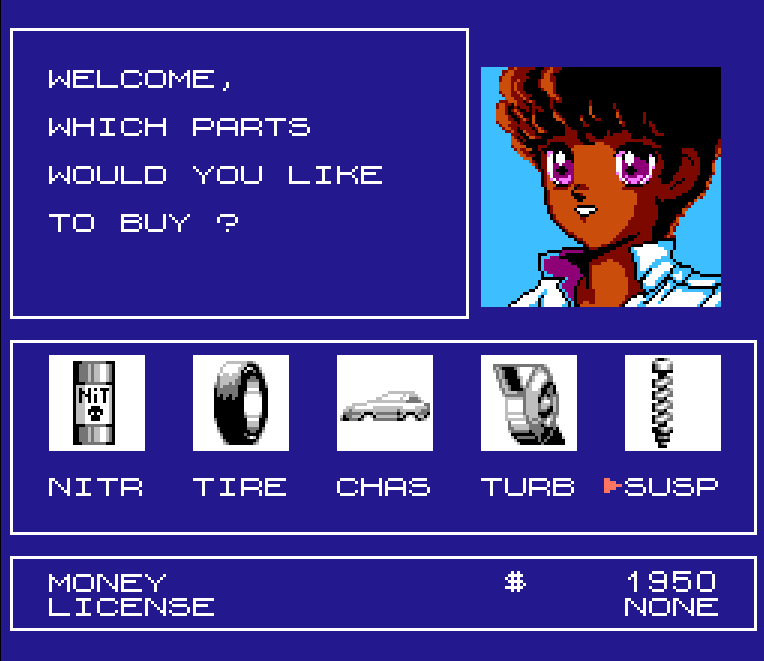
It wasn’t just about accelerating and turning. There was progression. You earned money by racing, and with that money you could:
• Buy new parts to upgrade the car — engine, tires, suspension, nitro, and more.
• Completely switch cars, moving up to faster vehicles until you reached the coveted Formula 1.
• Enter an in-game casino to try to multiply your winnings
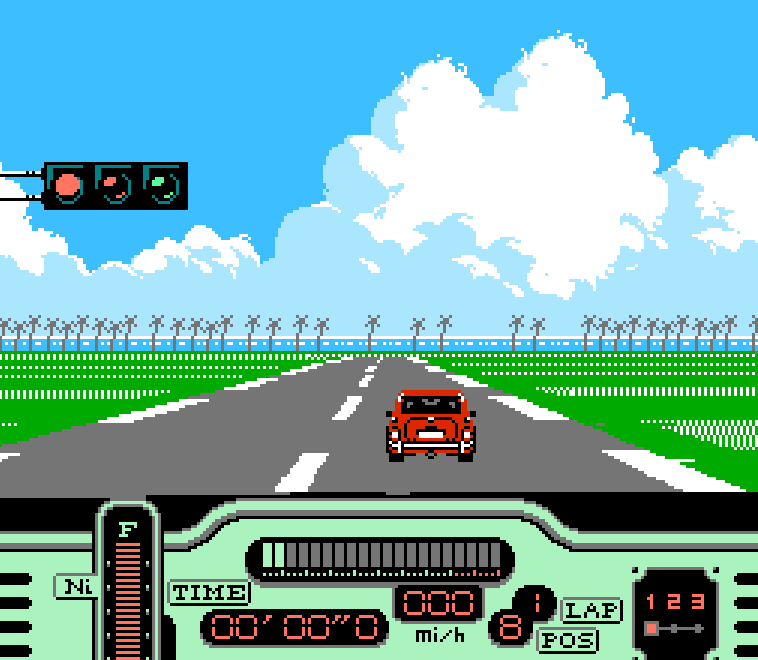
I was 7 years old and playing a game with a resource progression system, vehicle customization, and betting. It was 1992. The game came on a cartridge that was a free gift with a Nintendo clone. Not to mention the graphics back then—various U.S. landscapes depicted in the background of the tracks and night races made for a truly immersive experience.
Today, this is called a live service game, and companies charge a fortune for you to do what Built to Win already let you do for free on 8-bit hardware.
I spent hours—probably days in total—in that in-game casino trying to make a quick buck to buy the most powerful car. Sometimes it worked. Sometimes I lost everything and had to race again to make it back.
My first experience with a virtual economy. I didn’t do too badly.
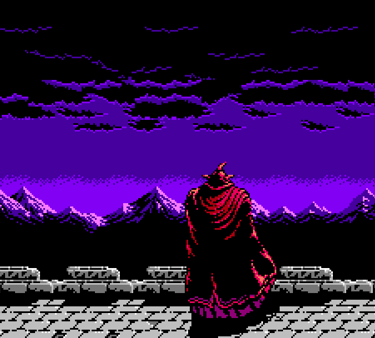
🗡️ Ninja Gaiden II: The Dark Sword of Chaos — The School of Hard Knocks
Ninja Gaiden II was one of the first games that taught me how cruel video games can be. It came on a cartridge borrowed from a friend of ours, which was part of a collection of eight games (common back then), including this absolute beast!
I hadn’t played the first game in the series yet. You play as Ryu Hayabusa, a ninja on a rescue mission. The story was presented through cutscenes with dialogue—a huge innovation for the NES—and the dark, nocturnal visuals, filled with enemies that would reappear every time you reloaded a screen. Stunning graphics and a soundtrack that made you feel like a true ninja.
I died more times in Ninja Gaiden than I can count. But every death taught me something. It was that kind of fair difficulty that people today call “soulslike”—back then, we’d say, “This game is impossible,” and keep trying anyway.
🍄 Super Mario Bros. 3 — The King of Kings
If there’s one game that defines the NES, it’s this one.
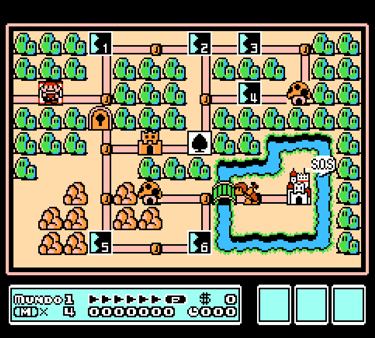
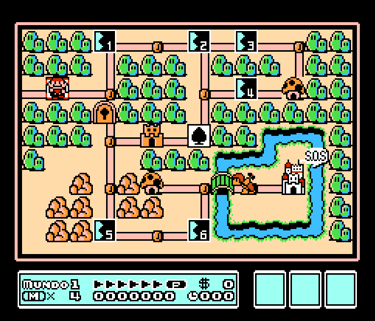
Super Mario Bros. 3 was technically impressive for an 8-bit game, creative in every level, full of secrets, and featured that progression through worlds that always left you wanting to see the next one. The Tanooki suit, the leaf that let you fly, the ability to save power-ups to use whenever you wanted.
Interestingly, I was also introduced to it on that 8-game cartridge I mentioned. I played this one to death and spent hours trying to figure out the secrets and hidden passages in this game.
A masterpiece, no doubt.
🏰 Castlevania 3: Dracula's Curse — 8-Bit Horror
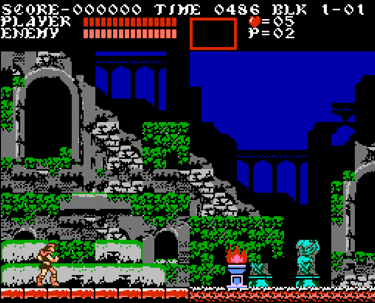
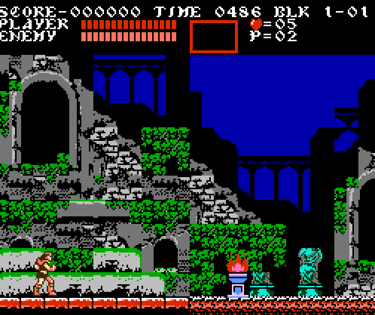
Castlevania 3 arrived at the video store and stuck in my memory for two reasons: the absurdly good soundtrack for an NES, and the difficulty that made me question my life choices multiple times.
Honestly, I watched my brother play this game more than I actually ventured into it myself, such was the difficulty, but that didn’t take away from its brilliance.
You chose different paths through the castle, unlocked companions with unique abilities, and faced bosses that seemed unfair until you figured out their attack patterns. It was sophisticated. It was beautiful within the limits of 8-bit graphics. And it was scary in a way that only old video games can be—not with hyper-realistic graphics, but with atmosphere.
🐰 Buck O'Hare — The Underrated Classic
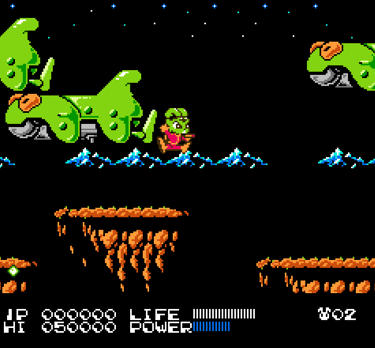
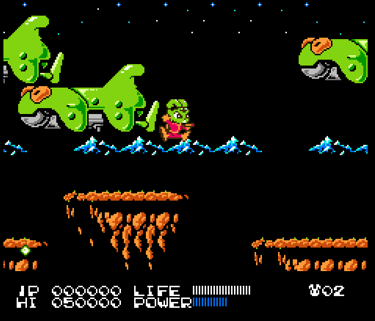
Buck O'Hare is one of those games that those who played it remember fondly, while those who haven't played it have never even heard of it.
A space rabbit, a team of allies with different abilities, varied levels, and a balanced difficulty that made the experience enjoyable even when you died. It was colorful, lively, full of personality, and had a great soundtrack.
It was a game discovered by my brother at the video store—one of those weekend picks that seemed random but turned out to be treasures.
💪 Super Contra — Two Players, Zero Mercy
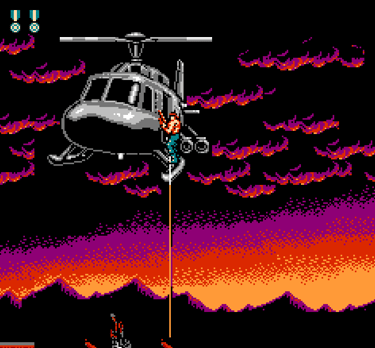
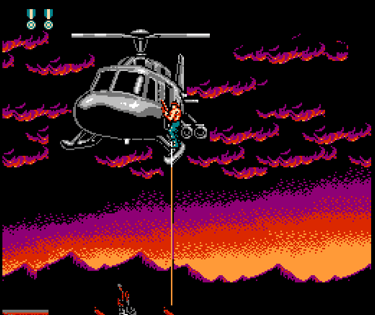
I’m not talking about Contra 1, but Super Contra, yet another gem from that legendary 8-game cartridge. It was the game to play with another person right beside you. And that’s what made it special. There were plenty of multiplayer games like Teenage Mutant Ninja Turtles or Battletoads that I played with my brother.
But two soldiers, shooting in every direction, enemies in industrial quantities, and supernatural precision gave this multiplayer mode a special flavor. And that legendary code—up, up, down, down, left, right, left, right, B, A—that gave you 30 lives and that every kid from the ’90s can still type from memory as if it were their own birthday.
My brother and I playing Super Contra were a mix of cooperation and chaos. We got in each other’s way, accidentally killed each other, yelled at one another—and had a blast.
Contact
Contact us with suggestions or partnership opportunities
Email: contato@saudosista90.com
Phone: +55(27) 997309267
© 2026. All rights reserved.